
Dhrupad by Ustad Wasifuddin Dagar





Explore our Academy Courses
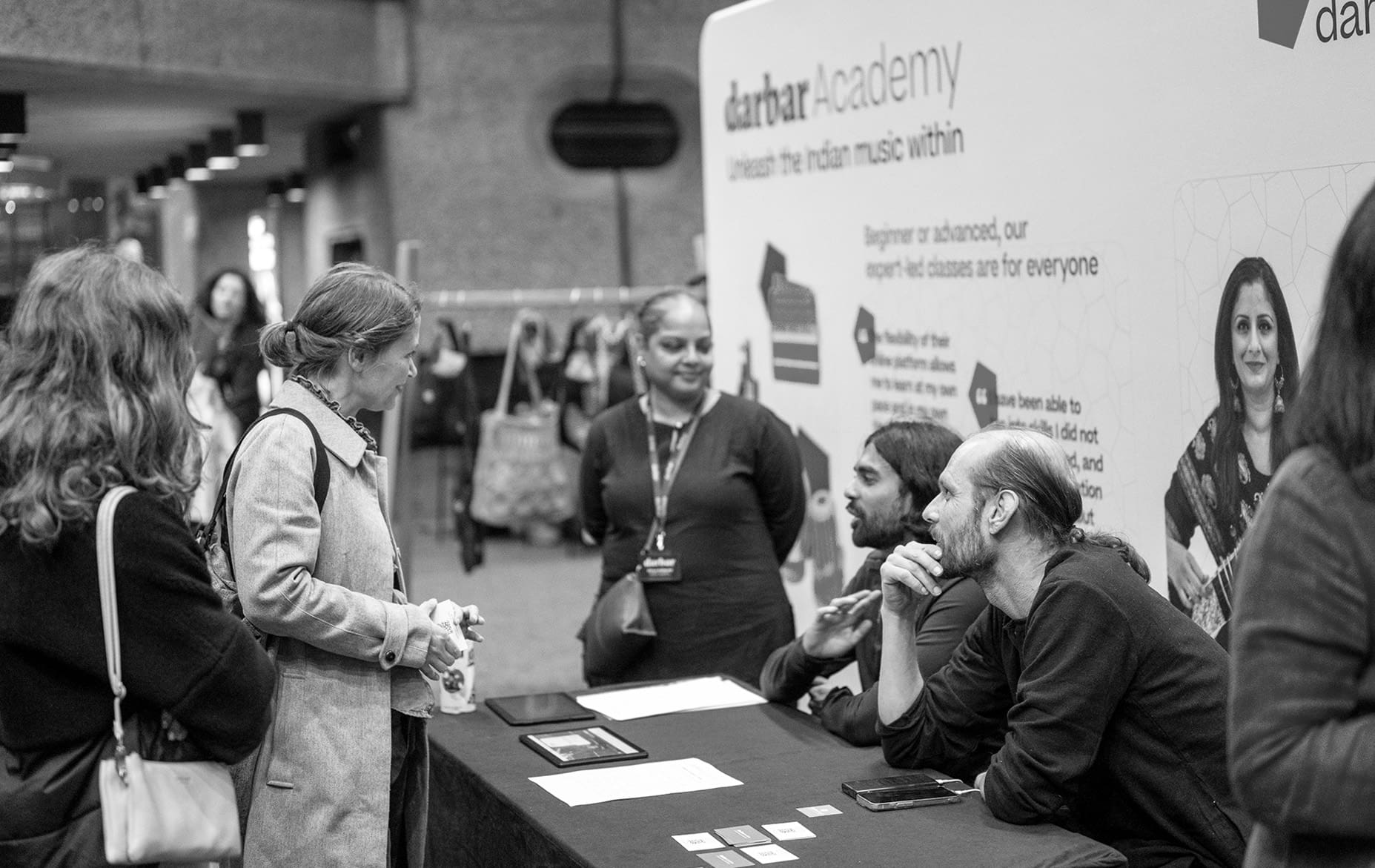
Explore all our live and on-demand music courses guided by world-class maestros. From beginners taking their first steps to advanced students refining their craft, our globally accessible platform empowers you to learn, grow, and connect deeply with the tradition of Indian classical music

Ustad Bahauddin Dagar & Pelva Naik | Raag Vardhani
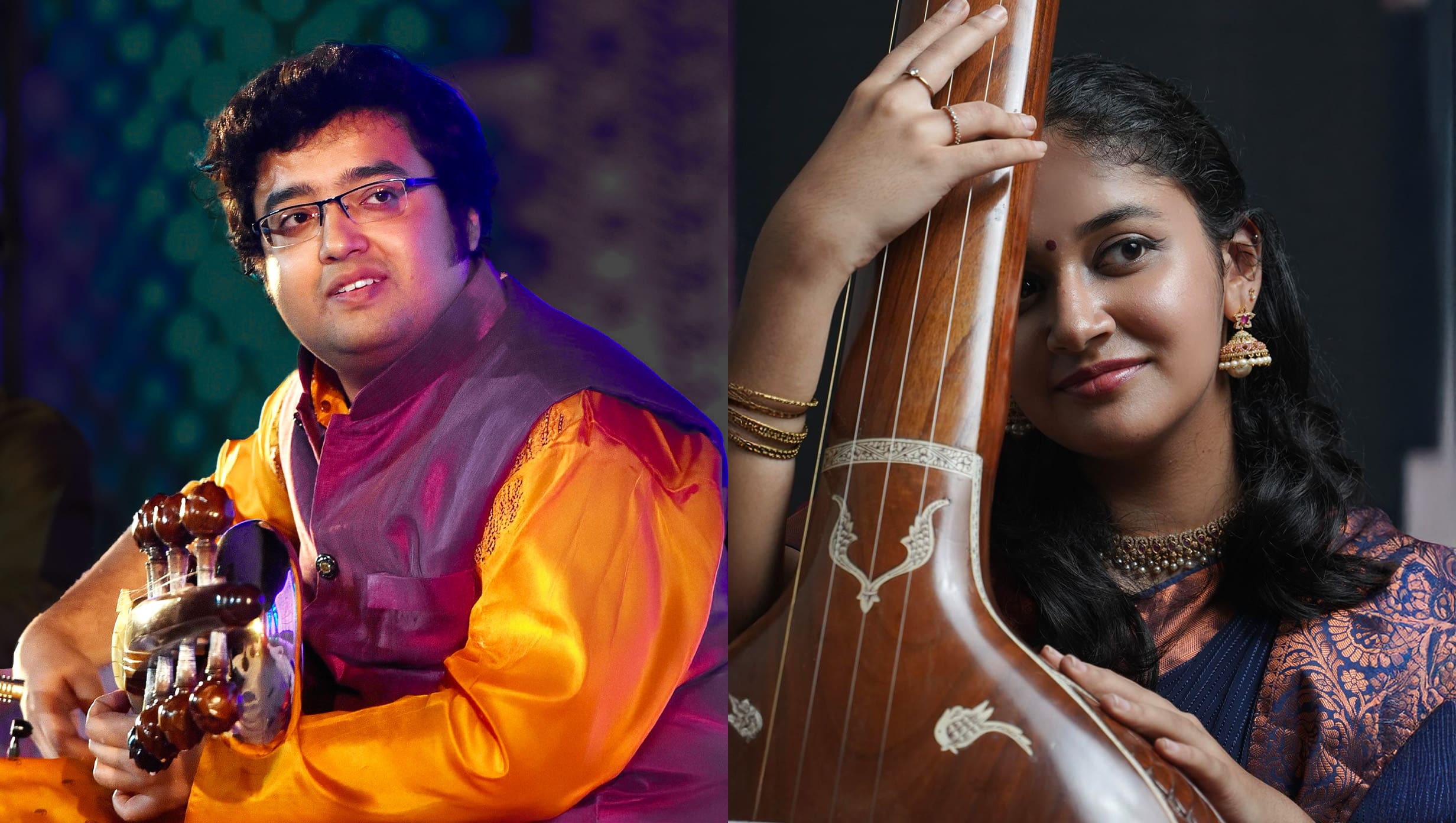
Recorded at Ravenna Festival, on 24th June 2017, at Teatro Alighieri, Ravenna, Italy. Musicians: - Ustad Bahauddin Dagar (rudra veena) - Pelva Naik (dhrupad vocal) - Sudarshan Chana (jori) - Seetal Dhadyalla and Kruthika Nadaraja (tanpuras) Raag: Vardhani, alap, jod and jhalla, Dhamar in 14 beats In India, the opulent courts of the Islamic sultans between the 13th and 16th centuries resonated with dhrupad music. ‘Beenkars’ (veena players) held as much precedence as the vocalists and often engaged in duets, enthralling a court full of discerning listeners. The first historical duet between veena and vocal music took place in 1307 between Amir Khusrau (1253-1325), the Sufi mystique, poet, and musicologist and Gopal Nayak (13th century musician and scholar) in the court of Alauddin Khilji (1266-1316), the Turko-Afghan sultan who ruled Delhi. This duet featuring Ustad Bahauddin Dagar (rudra veena) and Pelva Naik (dhrupad vocal) beholds this old format showcasing two generations. According to Ustad Bahauddin Dagar, the rudra veena and the human voice complement each other in the closest way. They perform Raag Vardhani, the 32nd melakarta ragam in the 72 melakarta system of Carnatic music. Vardhani is also called Ragachudamani in the Muthuswami Dikshitar school of Carnatic music. One must be wondering as to why a Carnatic Raga was chosen for a north Indian classical concert. The primordial form of Indian classical music is dhrupad which was born more than 2500 years ago. Till the 13th century, dhrupad as a form ruled both north and south Indian classical music. The ‘khayal’ stemmed as a sub-form of dhrupad around the 13th century under the influence of the Persian culture. While khayal took its own course in north India, dhrupad continued to prevail in both the northern and southern parts. Hence, the north Indian dhrupad and the Carnatic repertoire have common ragas. Ustad Dagar and Naik portray Vardhani in brilliant hues, starting with an alap and jor and then sing a composition in a 14-beat cycle called dhamar. Ustad Dagar blends the majestic sound of the veena with Naik’s robust expressions; The evocative phrasing and extraordinary rhythmic control makes for a profound and meditative experience. Sudarshan Chana plays the jori, a traditional drum that accompanies spiritual Sikh music. Drawing upon the sublime duet, he delivers a stunning accompaniment, enhancing the recital to its best. This concert is part of the Ravenna Festival in Italy which was curated by Darbar. It was held in honour of the 70th year of Indian Independence in 2017 and was titled “Passage to India”.