Surbahar

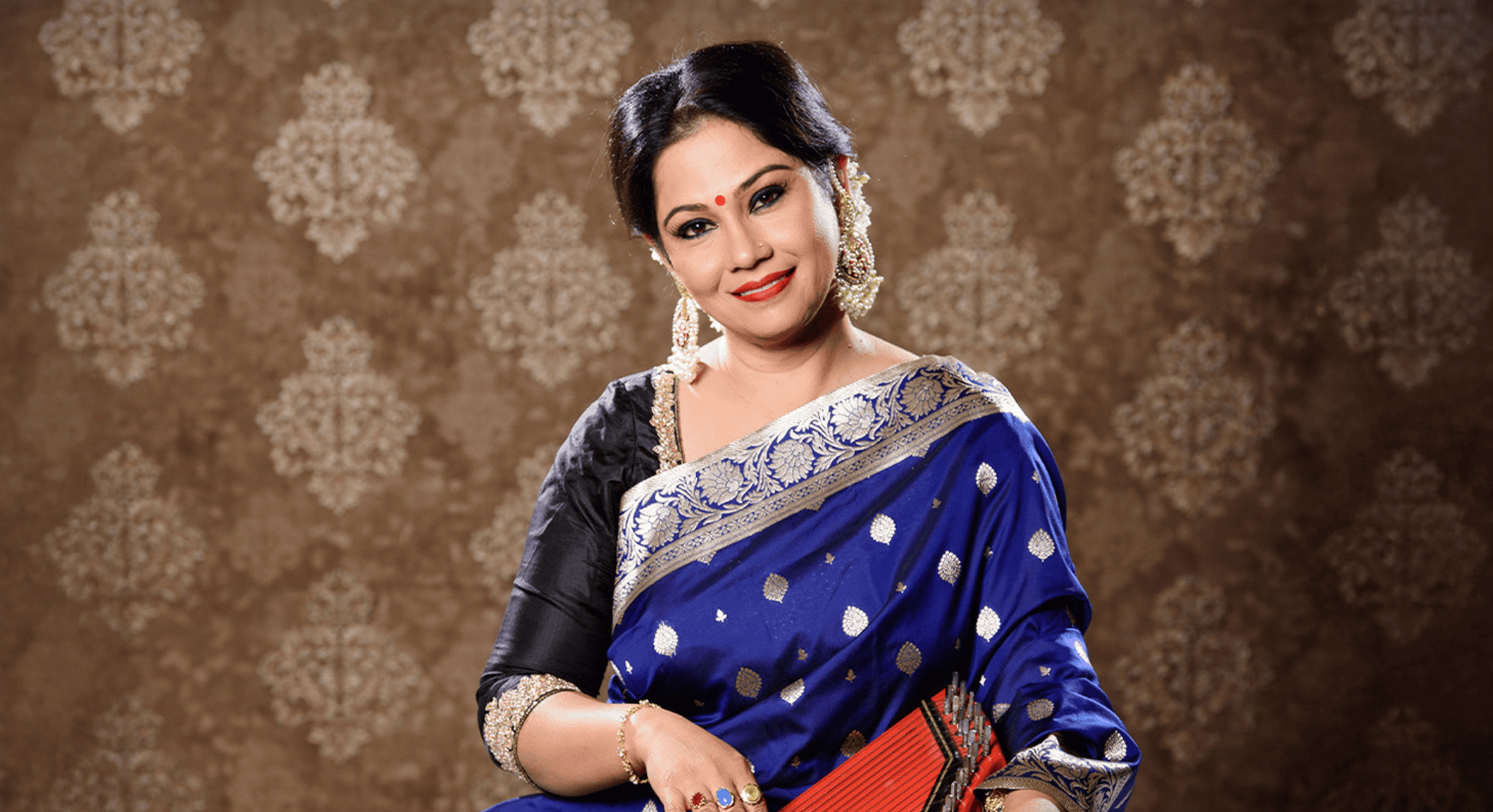
The Surbahar, often referred to as the “bass Sitar,” is a deep-toned, plucked string instrument used in Hindustani classical music. It resembles the Sitar but has a larger body, a longer neck, and thicker strings, producing a rich, resonant sound suited for slow, meditative alaaps and intricate melodic explorations. The Surbahar allows for greater microtonal bends (meend) and sustained notes, making it ideal for playing the expansive dhrupad and khayal styles.
The instrument originated in the 19th century, believed to have been developed by musicians from the Senia tradition to extend the melodic possibilities of the Sitar. Before the Sitar became dominant, the Surbahar was the preferred instrument for elaborate, unhurried renditions of ragas. Over time, its prominence declined as musicians favored the more versatile and portable Sitar, but it remains an esteemed instrument among connoisseurs of classical music.
At the Darbar Festival, the Surbahar has been masterfully performed by virtuosos such as Ustad Irshad Khan and Pandit Kushal Das, who have kept its tradition alive. Their performances highlight the instrument’s depth and meditative quality, ensuring that the Surbahar continues to captivate audiences with its profound and timeless sound.