Sursingar

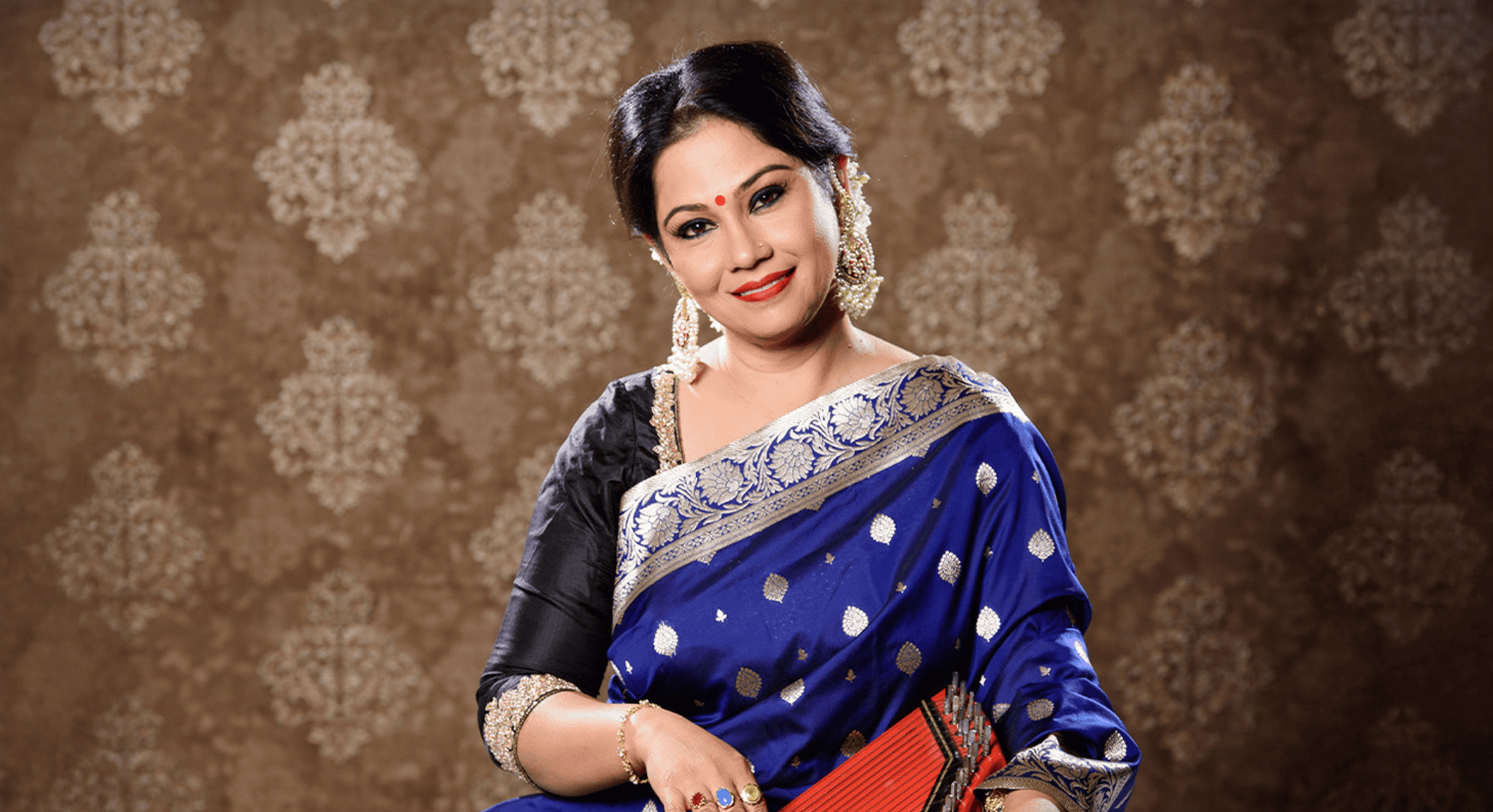
The Sursingar is a rare and traditional Indian stringed instrument, bearing similarities to the Sarod but distinguished by its larger size and deeper, more resonant tone. It features a hollow wooden body with a gourd resonator and a metal fingerboard, allowing for expressive glides (meend) and intricate melodic nuances. Played with a metal pick (mezrab), the Sursingar is particularly suited for the slow, meditative alap sections in the dhrupad style of Hindustani classical music.
Developed in the 19th century, the Sursingar evolved from the Dhrupad-Rabab, an instrument that has largely disappeared today. Its design improvements, such as the metal fingerboard and brass strings, enhanced its tonal quality and sustain, making it well-suited for the elaborate alapchari of the dhrupad genre. Despite its rich sound, the Sursingar’s prominence declined in the 20th century with the rise of more portable instruments like the Sarod. Notable exponents of the Sursingar include Pyar Khan, Basat Khan, Jaffar Khan, Mohammad Ali Khan, Bahadur Sen Khan, Allauddin Khan, and Radhika Mohan Maitra.
At the Darbar Festival, the Sursingar has been showcased by artists such as Pandit Joydeep Ghosh, who performed accompanied by tabla player Shubh Maharaj. Contemporary musicians like Joydeep Mukherjee are also working to revive the Sursingar, bringing its deep, sonorous tones back to the concert stage and ensuring its legacy continues in Indian classical music.
Darbar believes in the power of Indian classical music to stir, thrill, and inspire. Explore our YouTube channel or subscribe to the Darbar Player to watch extended festival performances, talks, and documentaries in pristine HD and UHD quality.