The Mandolin in Indian classical music: A novel treat
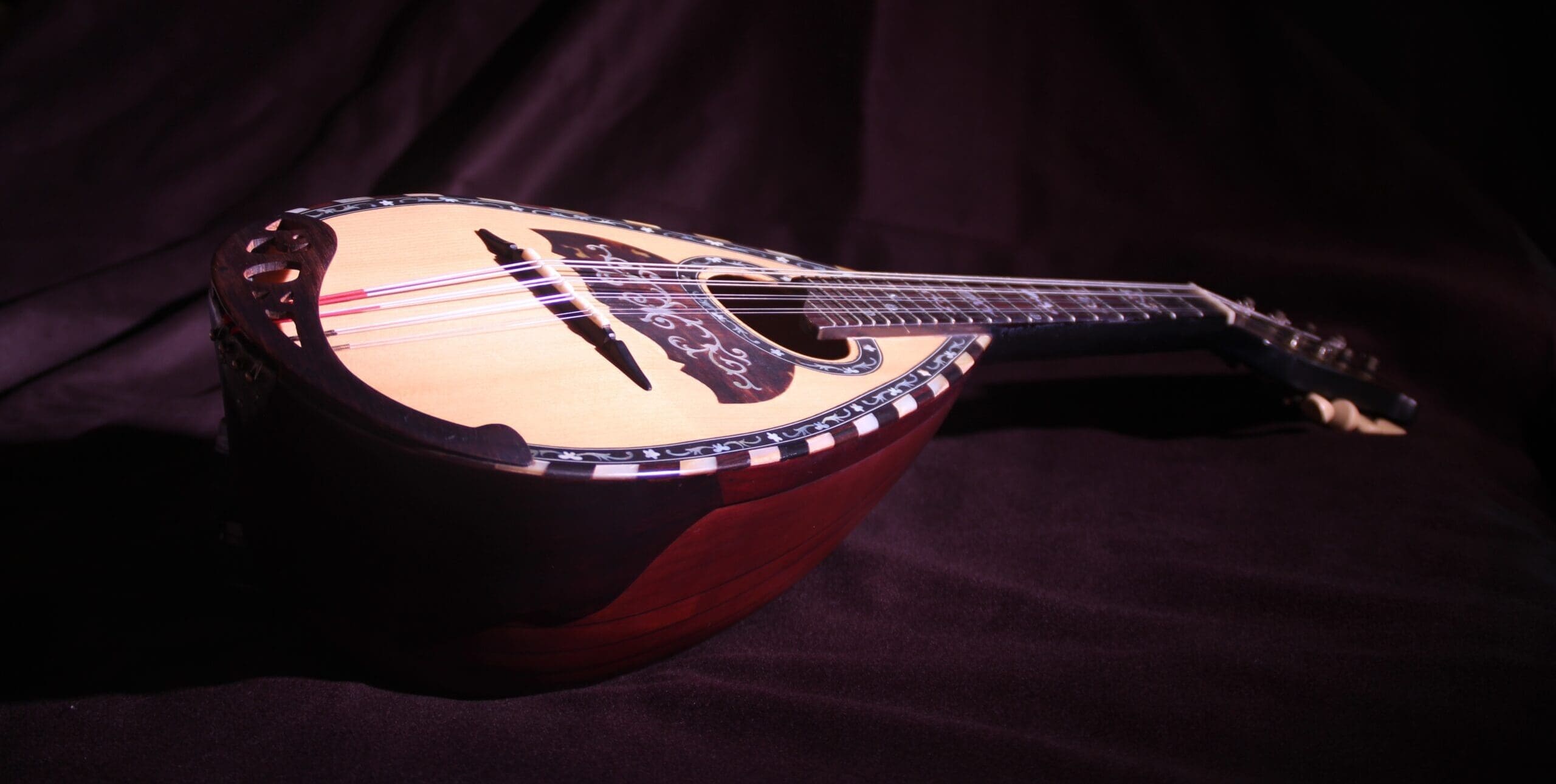
While the mandolin is often associated with European folk music, its impact on Indian classical music has been nothing short of remarkable, thanks to the sublimely talented late Mandolin U Srinivas (1969 – 2014).
A mandolin typically sounds sprightly and effervescent, with delicate twangs emulating a sweet serenade. Its lively, crisp notes made for prominence in Italian, Spanish and Irish folk music specifically.

Yet in the Indian classical music realm, notes often linger and resonate in swirling circles before fading into oblivion. The mandolin’s original design and playing style, which prioritised quick, staccato notes (short and detached, with a brief silence between each note, creating a crisp, separated sound) and a percussive attack, initially made it difficult to adapt to the nuanced and meditative qualities of Indian classical music.
All that changed with Srinivas.
His unique style and technique involved playing with his fingers, rather than using a plectrum. This technique, combined with his intricate phrasing and fast-paced improvisations, set him apart from other musicians and allowed the world to conceive of the mandolin in an entirely different way.
However, the mandolin’s adaptation to traditional Indian raga music was not immediate. Indian classical music typically uses instruments like the sitar, sarod and veena, which are designed to produce the unique microtonal nuances and rhythmic intricacies of the genre. With fewer strings and standard tuning, the mandolin initially didn’t fit well with the Carnatic music’s complex rhythms and melodic structures.
Srinivas, a child prodigy, revolutionised the use of the mandolin in the 1980s and 1990s, introducing a new tuning and technique that allowed it to seamlessly blend with traditional Indian instruments. Most notably, his innovations enabled the mandolin to sustain richer and more nuanced notes. Since then, the mandolin has significantly enriched the tapestry of Indian classical music.
Despite being a relatively new melodic voice to the traditional ensemble of instruments used in Indian classical music, the mandolin’s sound – and impact – is now hard to miss in India’s classical sonic landscape.
The sound of the mandolin in raga music is often described as bright and shimmering, with a distinctive plucked quality that cuts through the intricate melodies of the raga. With a unique tone and timbre, its fretted design allows for intricate ornamentation and complex runs, while the technique of plucking creates a delicate sound. Overall, it adds a unique texture to the music and is often used to ornament and embellish the main melody.
The virtuosic playing and intricate melodic runs of many Carnatic mandolin compositions can stir a sense of exhilaration and excitement amongst audiences, as they are drawn into the complexity and intensity of the music. Slower, more contemplative pieces, meanwhile, can evoke a sense of peacefulness and tranquillity, as the listener is enveloped in the soft and delicate sounds of the instrument.
Simultaneously, it’s important to remember the Carnatic mandolin has a spiritual dimension in line with the genre of Indian classical music, meaning the listener is invited to explore the mysteries of the universe and the human experience through the medium of music in tune with natural rhythms and patterns.
Today, the mandolin has become a mainstay of Indian classical music and contemporary artists continue and amplify the instrument’s distinct and beautiful legacy.
The mandolin’s journey from Europe to India is testament to the universality of music and the limitless possibilities of creative expression. Mandolin U Srinivas’s contributions to Indian classical music have given the mandolin a new life, and its unique sound and playing style have inspired generations of musicians. The instrument has taken its rightful place in the pantheon of Indian classical music, continuing to captivate audiences and enrich the genre with its distinctive voice.