


The bansuri or bamboo flute is an ancient wind instrument made of a single hollow shaft of bamboo with six or seven finger holes. Its name originates from the Sanskrit for wood,...

The name shehnai comes from the Persian word shah, meaning king, while nai or ney is the generic term for any kind of wind-blown flute-like instrument. In other words, it is either...

The veena, also known as the been in North Indian languages, is a large plucked lute. It is undoubtedly one of India’s oldest instruments, dating from around the 1st millennium BC –...

The santoor is an ancient folk instrument thought to have originated in Persia, from where, according to some scholars, it made its way to India. But ancient Indian texts also refer to...

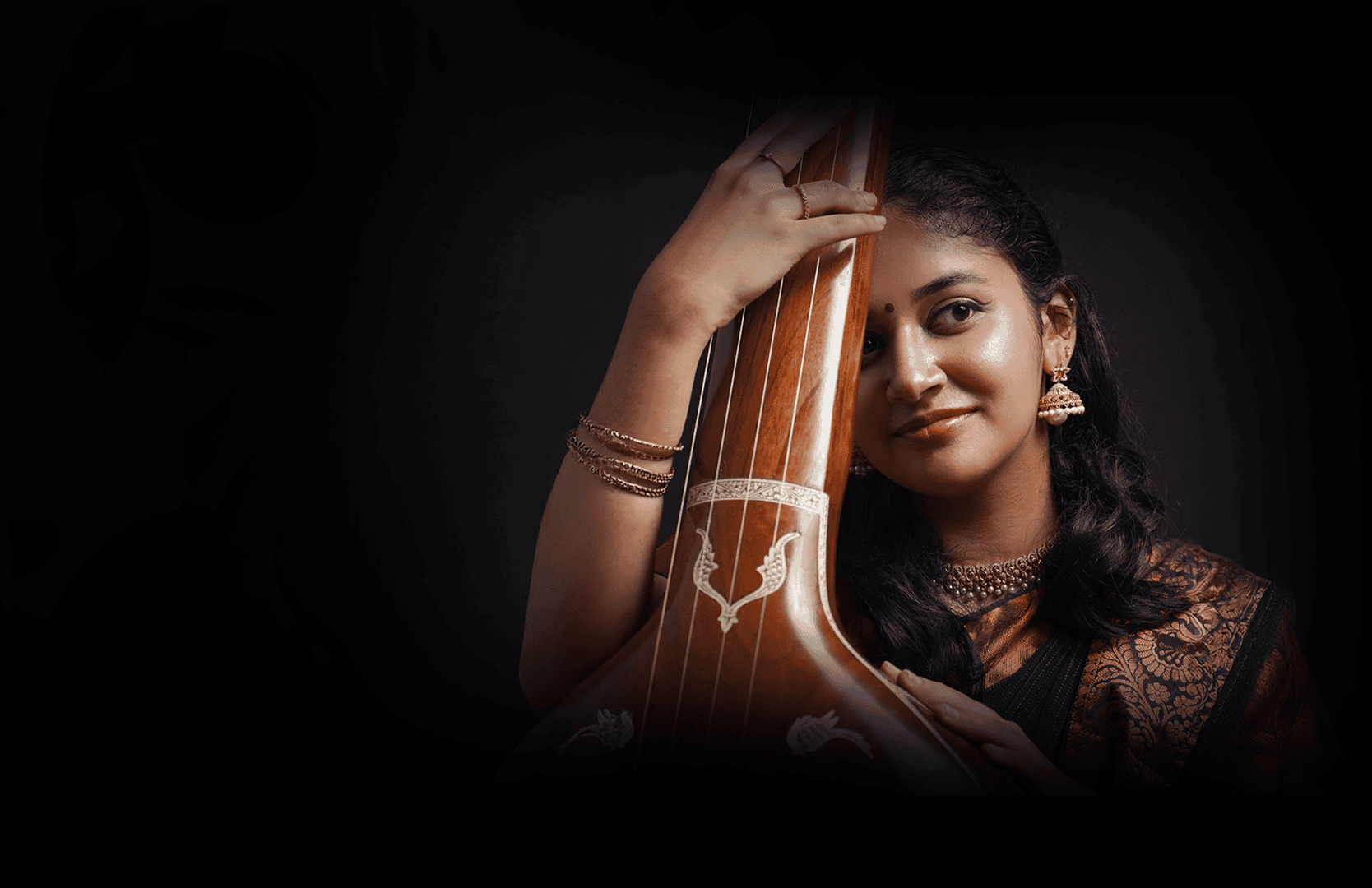


The sitar is Hindustani music’s prime plucked string instrument, and the first one to be widely heard and recognised in the West through the appearance of Ravi Shankar. Although its exact origins...

All Indian classical music attempts to imitate the nuances of vocal music, and instruments are often judged by their ability to either sound like human vocal chords or perform the same intricate...

The present-day format of Carnatic music performance is thought to have grown out of the tremendous flowering, especially of music and dance, in the district of Thanjavur during the reign of King...

A vocal performance of classical Indian music is ranked higher than a purely instrumental one (see ‘the pecking order’). Nowadays, it is more usual to have performances of khayal, as opposed to...

The sarangi is a short-necked string instrument of North India, played with a bow. It is thought to have evolved from traditional stringed and bowed instruments of Rajasthani folk music with subsequent...

The sarod is a plucked string instrument, now as popular and predominant in North Indian classical music as the sitar. Compared to the sitar, it produces a sound that is somewhat weightier,...