


The word ‘Dhrupad’ is derived from ‘dhruva,’ meaning that which is ‘fixed’ or ‘constant’ and ‘pada,’ meaning ‘word’ or ‘set-composition’. It is the oldest form of North Indian classical vocal music, with...

Indian classical music has a built-in pecking order, not only based on the seniority or ability of musicians but also by drawing a clear distinction between vocal and instrumental music. Vocal performance...

As an ancient tradition, Indian classical music carries its own hereditary code of etiquette and, apart from the guidelines governing the master-disciple relationship (see Guru-Shishya-Parampara), there are equally strict rules for listeners...

One famous story of an Indian musician tuning before his audience has now taken a permanent place in the annals of West-meets-Indian-music history: The year was 1971, the event was George Harrison’s...

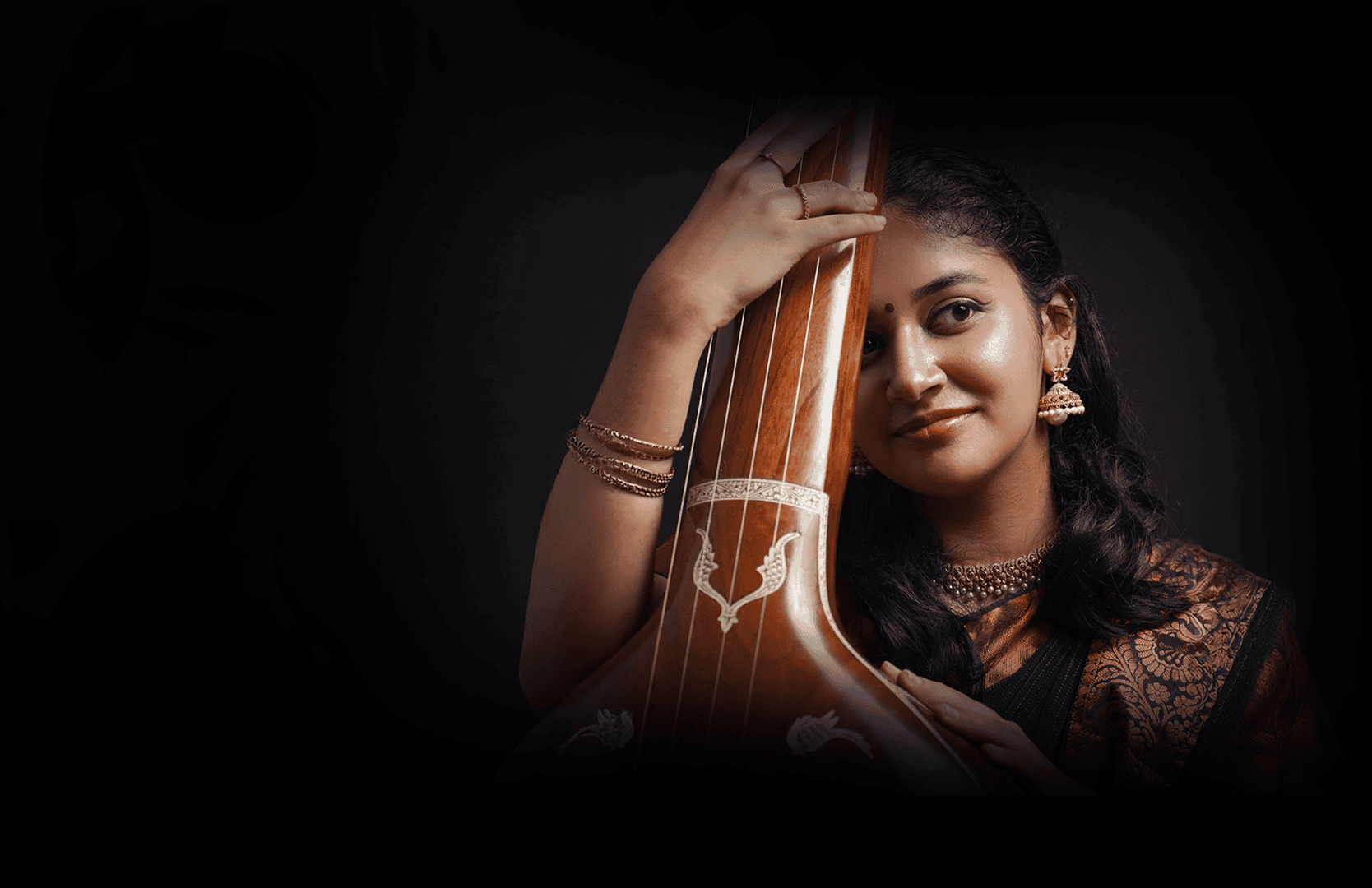


Apart from musical content and the esoteric concept of rasa (‘juice, essence, flavour’), Indian classical raags (melodic structures) are also assigned to particular times of day or night to maximise their emotional...

Indian classical music is largely a hereditary tradition, generally taught in a pedagogical fashion and handed down from father to son. Since Indian music is rarely written down, watching and listening to...

A very gradual and long-drawn out evolution through complex historical and social factors eventually led to two distinct traditions associated with two different ethnicities. The people of North India are, broadly, defined...

Rasa (also spelt ras) is the word for ‘juice’ in many Indian languages. In a musical sense, its meaning is closer to the English words ‘essence’, ‘flavour’, or even ‘self-luminosity’. It is...

In Indian classical music, whether Hindustani (North Indian) or Carnatic (South Indian), rhythm is encapsulated in the concept of taal (spelt and pronounced tala in English), which means ‘clap.’ Loosely speaking, one...

The lifeblood of all Indian classical music, whether Hindustani (North Indian) or Carnatic (South Indian), is the concept of raag (in English, spelt and pronounced ‘raga’ after its Sanskrit form – although...