


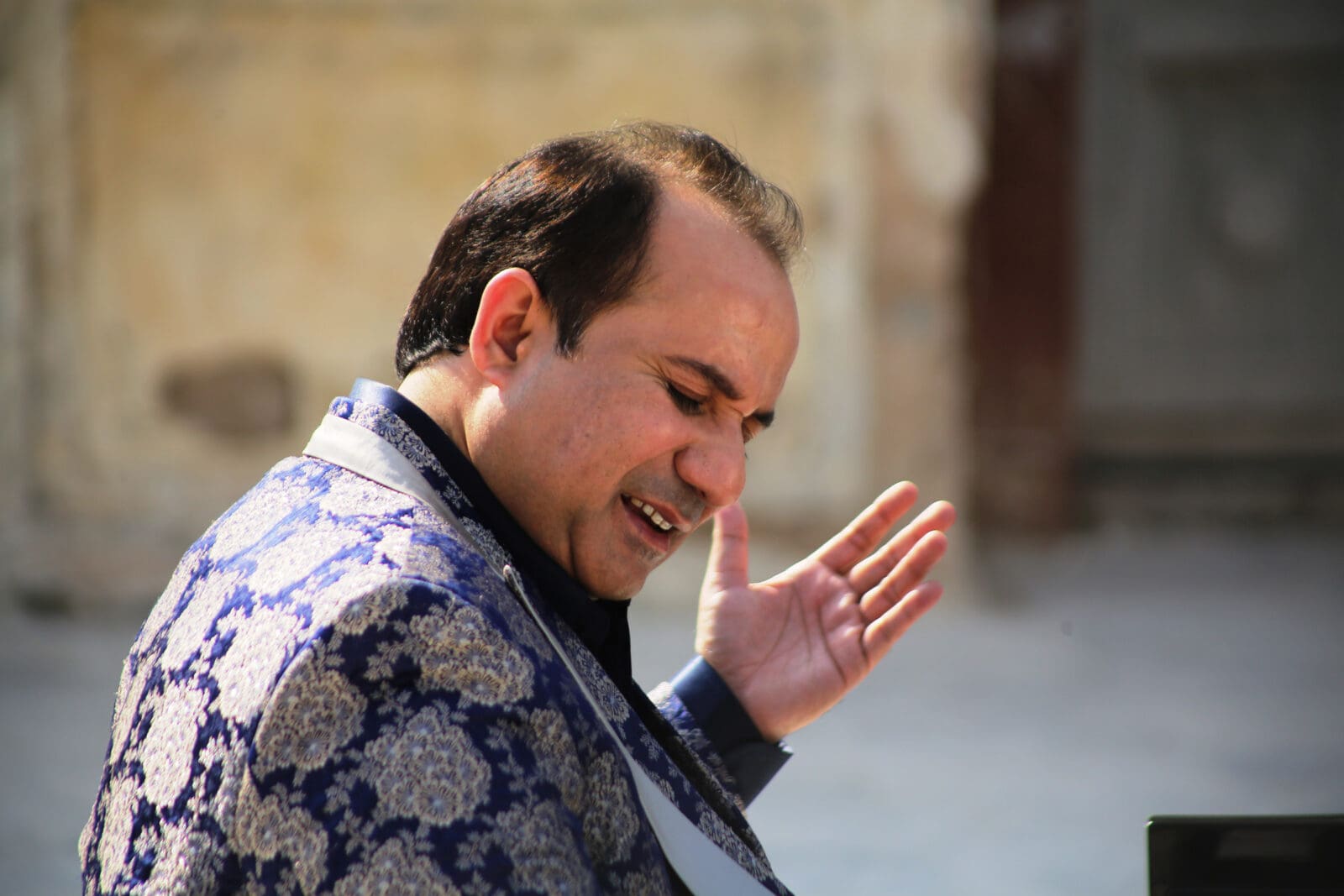
The last decade of the 20th century witnessed an amazing musical phenomenon in the art of Nusrat Fateh Ali Khan (1948-1997), a hereditary qawwal (performer of qawwali) from Pakistan. The singer took...
As early as 400 BC, Indian musical treatises had drawn a clear distinction between marga sangeet (music for the gods) and desi sangeet (music of people) and it is the latter that...

It is generally believed that Indian classical music has its origins in the religious observances of the Aryan people who arrived in India some 3,000 years ago, pushing India’s local population, known...

One of the most ancient drums of India, the mridangam, which literally means ‘body of clay,’ originated in South India. To this day, it remains the leading percussion accompaniment for Carnatic music...



The mother of all North Indian drums, the pakhawaj is also known as the mridang, the generic word for any barrel-shaped drum. A two-headed drum descended from the much older South Indian...

The word tabla is thought to have its origins in the Arabic word tabl, which means any kind of drum. It was undoubtedly invented in India, although its early years are shrouded...

The ghatam is a South Indian drum resembling a porous earthenware or clay pot, a common household object in North and South India used for cooling drinking water. In North India, it...

The violin is one of the most important instruments in Western classical music, owing not only to a unique strength of tone that stands out among other instruments, but also because of...

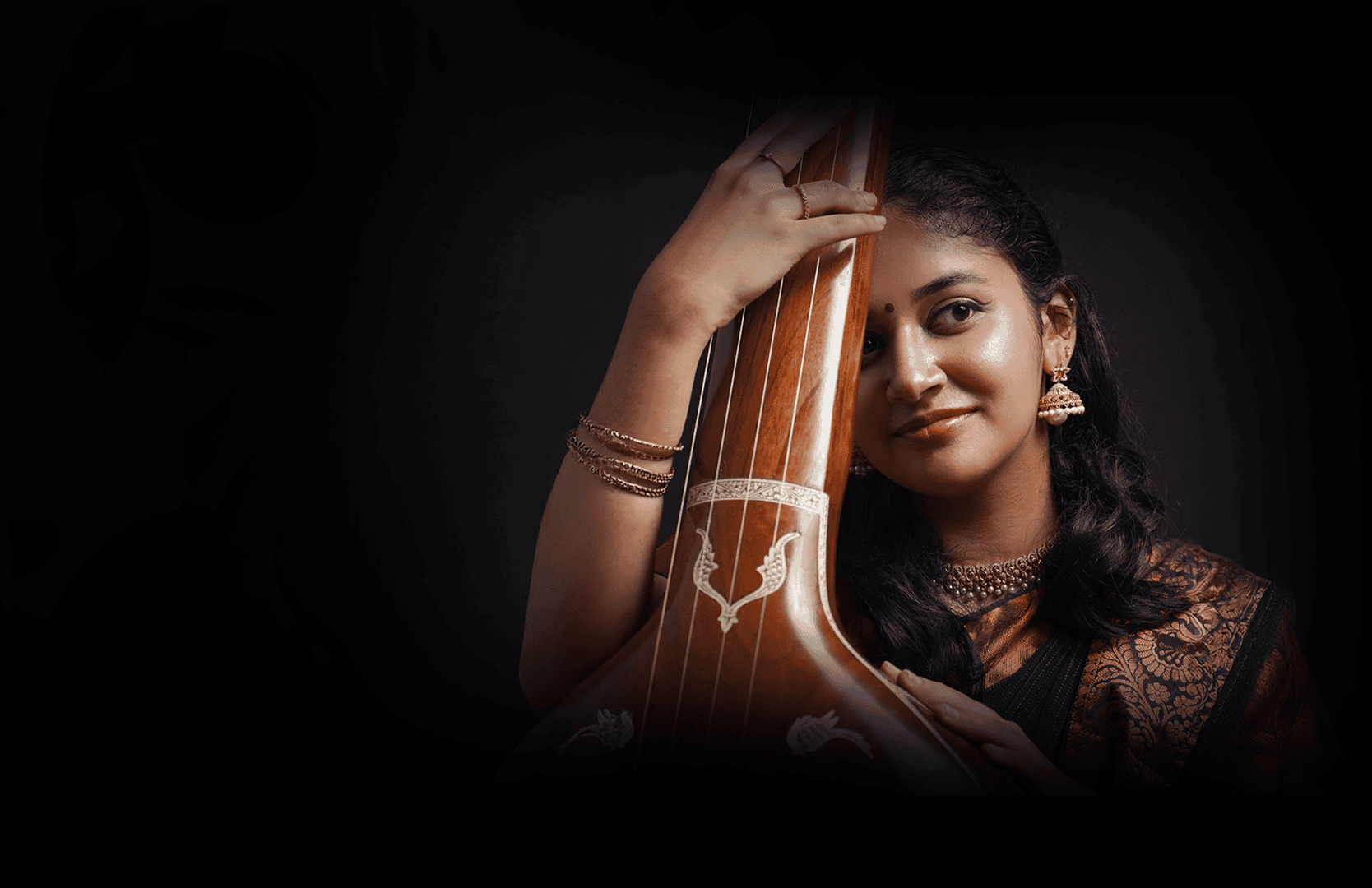
The veena is a large plucked lute and one of India’s oldest instruments, with a recorded history going back to about 1500 BC. While it is getting rarer in North India, the...

The bansuri or bamboo flute is an ancient wind instrument made of a single hollow shaft of bamboo with six or seven finger holes. Its name originates from the Sanskrit for wood,...