


Unlike many other classical traditions, India’s ancient treatises on classical music have always cited dance as an integral part of music rather than a separate (or merely related) activity. It is said...

Author: Jameela Siddiqi Ever since the talkies (films with sound) arrived in India; the first being Alam Ara in 1931 (pictured above), film music quickly established itself as the music of the...
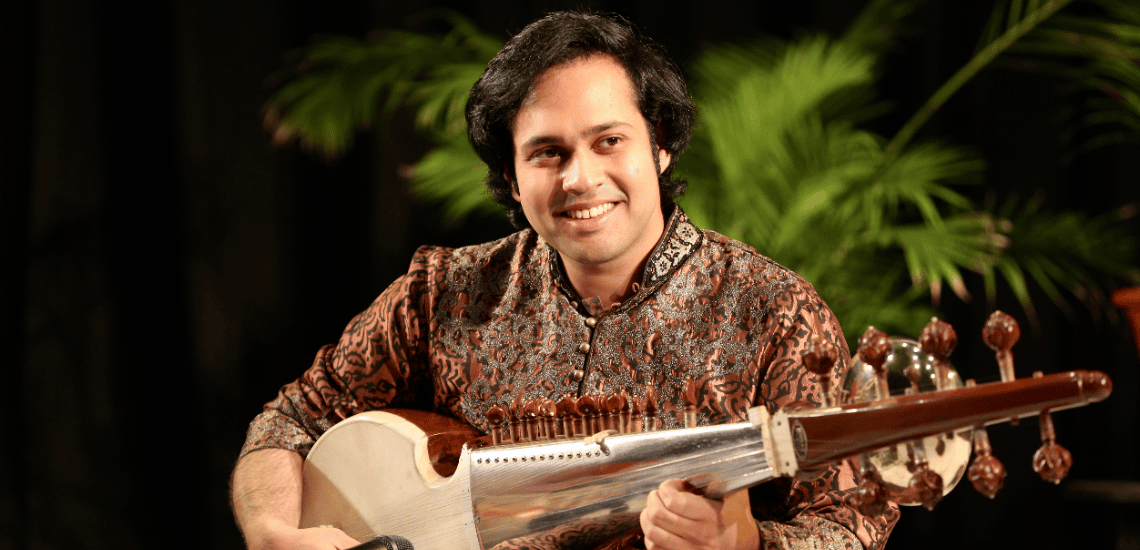
Aayush Mohan is today considered one of the finest Sarod players on the global scenario of Indian Classical music. Along with his brother, Sitar Player Lakshay Mohan, the two are known as...

Like North Indian music, Carnatic or South Indian music is also underwritten by raga (melodic structure) and tala (rhythmic cycle). Although improvisation plays an important role, compositional vocal music remains the dominant...

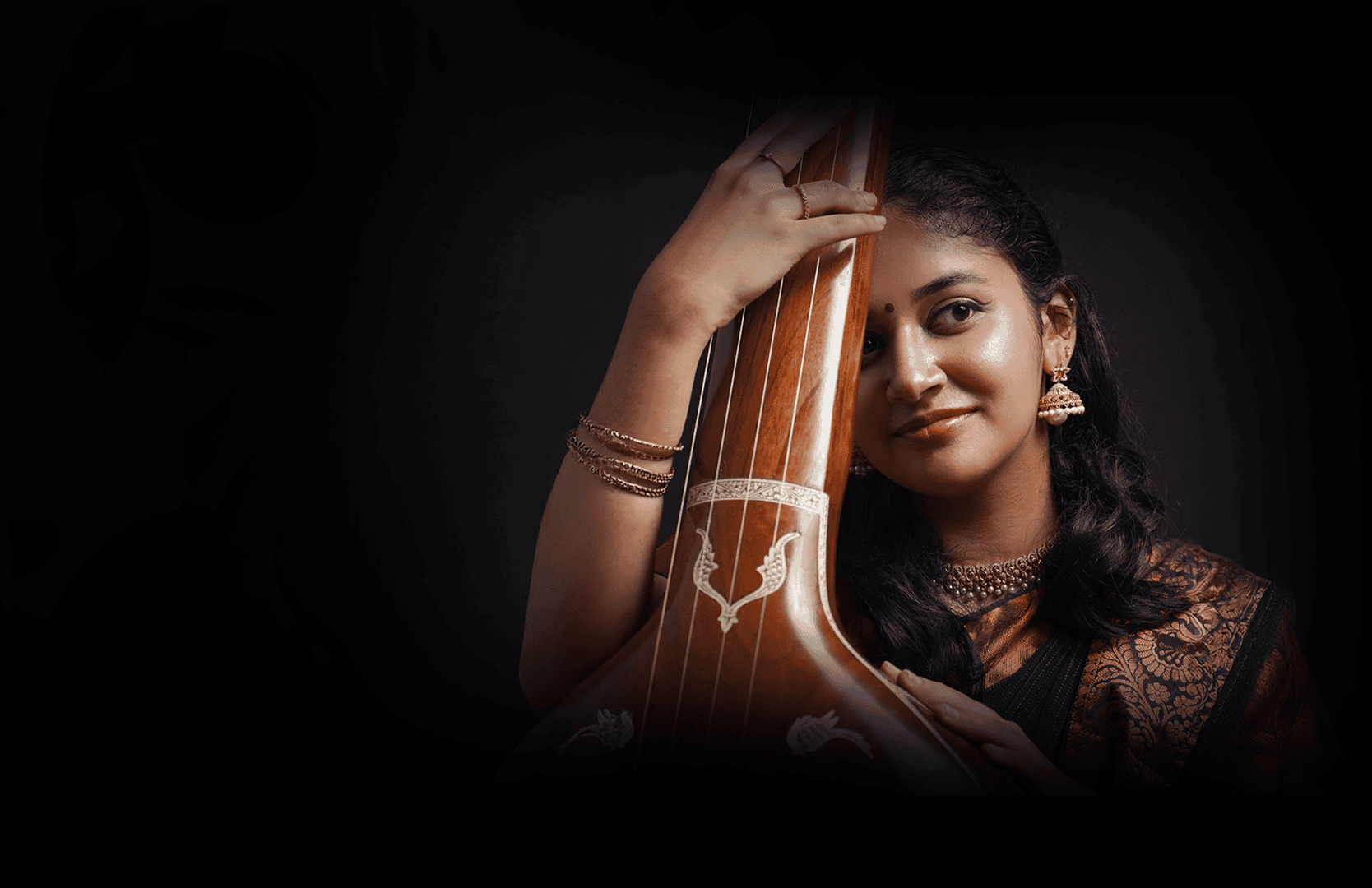


Ghazal is a poetic form consisting of rhyming couplets, usually in Urdu or Persian, set to music and mostly performed solo. It is probably the single most popular light classical form in...

Bhajan is the generic name for any kind of Indian, usually Hindu, devotional song. It is completely text-led, its devotional nature underpinned by the words rather than by any specific musical style....

Qawwali music is the main communal worship ritual of the Sufis – a mystic strand of Islam. The act of listening to qawwali, usually at the shrine of a past Sufi master,...

Shabad kirtan, literally meaning ‘word chant’, is the central communal worship ritual of the Sikhs – a religion based on the realisation of the oneness of God through singing and listening to...

Thumri is North India’s most popular light-classical song form, developed during the 19th century at the court of Lucknow’s ruler Wajid Ali Shah. It has very strong associations with kathak, North India’s...

Khayal is now the most dominant form of North Indian classical vocal music. The word (also spelt khyal) comes from the Persian for imagination because it offers the performer more freedom and...