


Hindustani tabla masters combine jaw-dropping precision with a hugely imaginative approach to improvisation. Here’s a 12-part taster of North India’s most astonishing drum. —Part of Living Traditions: 21 articles for 21st-century Indian...
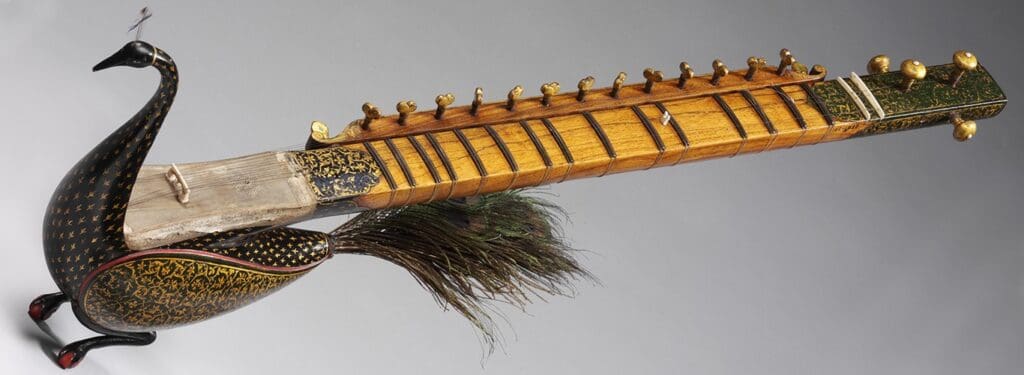
Author: George Howlett Exploring the sounds, origins, and modern contexts of ten strange, beautiful instruments from India’s classical traditions. —Part of Living Traditions: 21 articles for 21st-century Indian classical music Indian classical...

The heart of qawwali with one of the most illustrious qawwals alive today “Is this Aysha-ji speaking?” The honeyed voice probes through static on my phone, dripping with a politeness it doesn’t...

Move over, Cinderella. The humble pumpkin has a higher purpose to fill. As a small team working to push the boundaries of Indian art, Darbar recognises that many musical milestones are only...

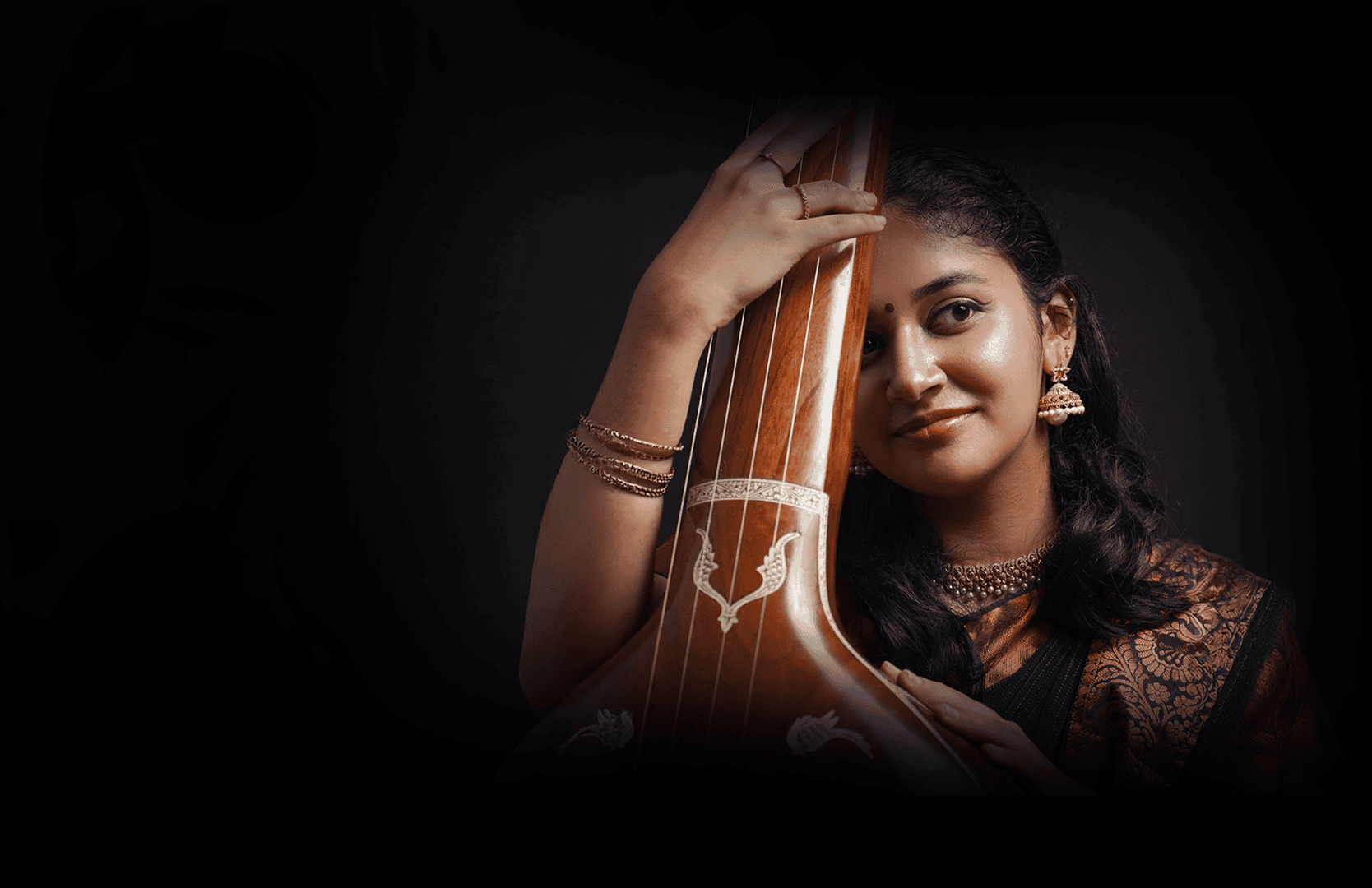


In the centuries-old tradition of Indian classical music, few living legends can claim to have single-handedly made history. Pandit Shivkumar Sharma was one of those few. An exponent of the dulcimer-like santoor,...

“I focus on the first Dha which will compel you to listen to the tabla!” Pandit Subhankar Banerjee. Note: Dha is a syllable in the spoken language of tabla created by playing...


The Swarmandal is a plucked string instrument used primarily in Indian classical vocal music to enhance melodic expression and create a rich, resonant drone. Shaped like a small harp or zither, it...

The violin, a bowed string instrument, has been an essential part of both Hindustani and Carnatic classical music, blending seamlessly with Indian ragas. Adapted from its Western counterpart, the Indian violin is...

The Tanpura, a vital drone instrument in Indian classical music, is known for its continuous, resonant sound that provides a harmonic foundation for vocal and instrumental performances. It typically features four to...

The Taus is a bowed string instrument with a distinctive peacock-shaped resonator, used primarily in Sikh devotional and Indian classical music. Its deep, resonant tone is similar to the Sarangi, allowing for...