Ustad Imrat Khan

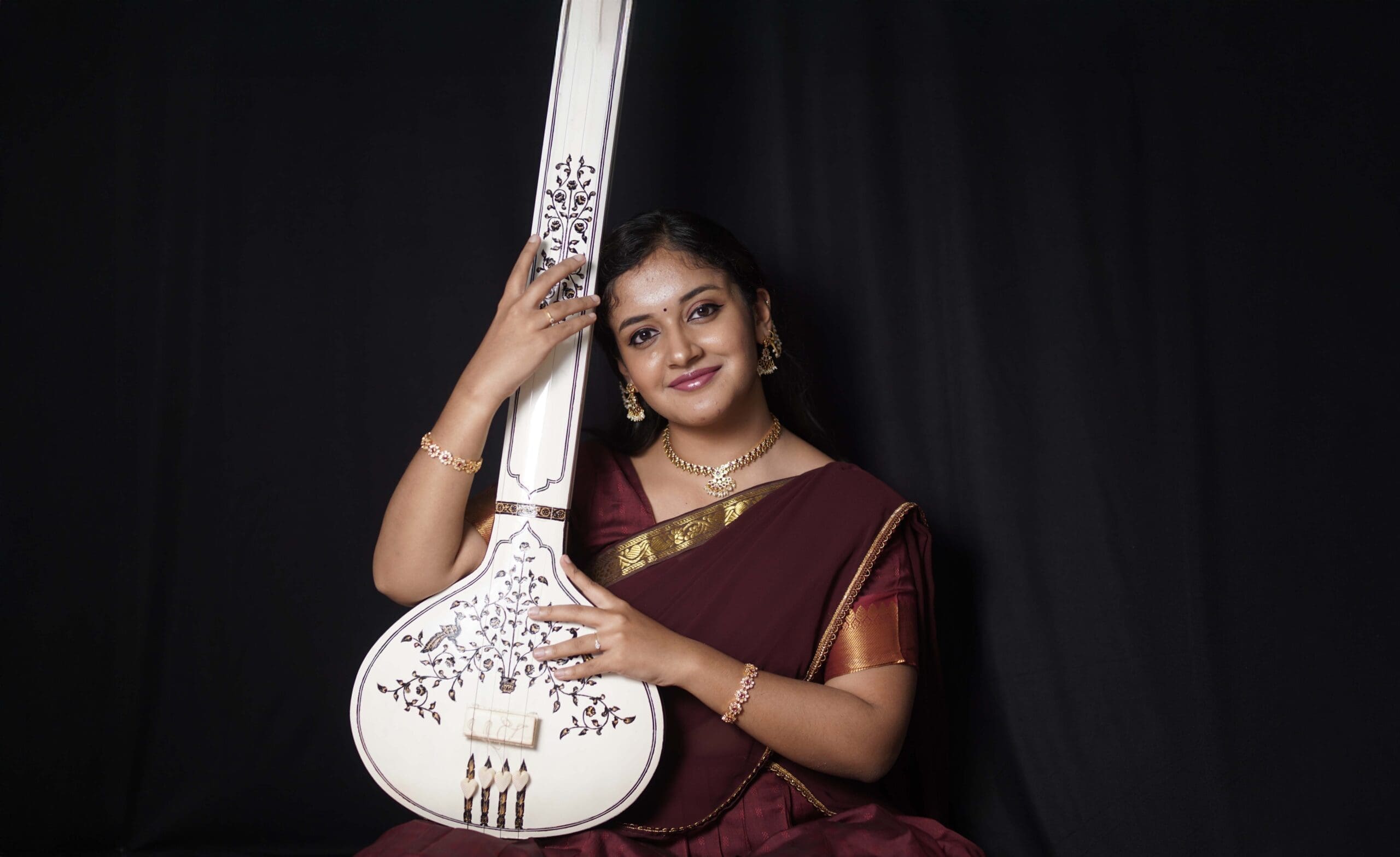
Ustad Imrat Khan (17 November 1935 – 22 November 2018) was a master of the surbahar (bass sitar) and sitar, born into the legendary Imdadkhani (Etawah) gharana of Indian classical music. The son of Ustad Enayat Khan, he was initially trained in vocal music and surbahar by his mother Bashiran Begum and maternal grandfather, Bande Hassan Khan. He later studied sitar under his uncle Wahid Khan and his elder brother, the renowned Vilayat Khan. While Vilayat specialized more in sitar, Imrat remained dedicated to surbahar, mastering its deep, meditative sound alongside rarer ragas and vocal-inspired techniques (“gayaki ang”).
Imrat Khan was celebrated for preserving and innovating the soulful surbahar tradition. He toured internationally, performing at major festivals like Edinburgh, Cannes, and the BBC Proms—becoming the first Indian classical musician to play an all-night concert at Royal Albert Hall in 1971. A recipient of the Sangeet Natak Akademi Award (1988) and later honored with the Padma Shri (2017), he once famously declined the latter, stating it came “too little, too late.” A revered teacher—he taught at Dartington College, Berlin’s Academy of Arts, and Washington University, St. Louis—he remained loyal to classical purity, turning down fusion offers to focus on traditional music.
As a meticulous and traditional guru, Imrat Khan passed the Imdadkhani legacy to his five sons—Nishat, Irshad, Wajahat, Shafaatullah, and Azmat Khan—all of whom continue to perform globally. Among his disciples are sitarists Purbayan Chatterjee, Anupama Bhagwat, and Shahana Banerji, who have spoken of his impact on their stroke articulation and gamak expression. His teachings helped shape modern performers; for instance, Irshad Khan, a Darbar-featured prodigy, made his concert debut at just 13 in London and later performed at an all-night Proms—a testament to the surbahar tradition Imrat championed.
Darbar believes in the power of Indian classical music to stir, thrill, and inspire. Explore our YouTube channel or subscribe to the Darbar Player to watch extended festival performances, talks, and documentaries in pristine HD and UHD quality.