New to Darbar? Start Here
Never been to a classical Indian music concert before? You’re in good company as many of our audience come for their very first time every year. Here’s everything you need to feel at home.

What is Indian Classical Music?
Indian classical music comes in two main traditions: Hindustani, from North India, and Carnatic, from South India. Both are built around two core ideas — raga (a melodic framework that shapes the mood of a piece) and tala (a rhythmic cycle that musicians and audiences follow together). Unlike Western classical music, much of what you hear is improvised in the moment, guided by these frameworks — meaning no two performances are ever quite the same.
What to Expect at a Concert
Performances typically last between 60 and 90 minutes, though they may sometimes extend longer and are often presented without a formal interval.
There is no strict dress code, so you’re welcome to come as you are. Although many of our audiences love dressing up in their best Indian saris and kurtas and make a day of it!
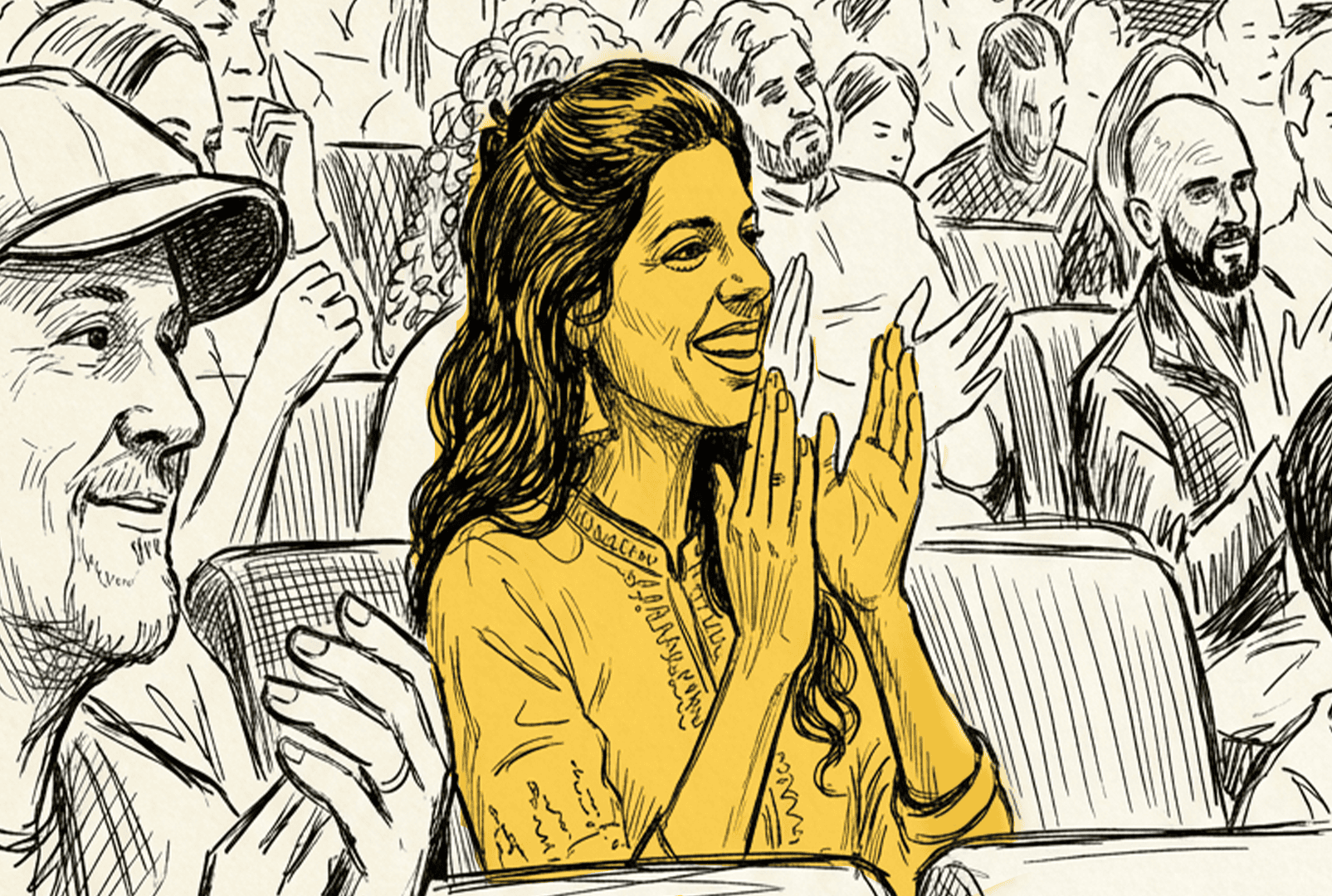
Unlike many Western concert traditions, audiences often respond during the performance itself—a gentle nod, a soft “wah,” or spontaneous applause at a particularly beautiful musical moment is both natural and appreciated.
You’ll also notice the musicians engaging in an ongoing musical dialogue on stage, especially between the melodic and rhythmic performers, and witnessing this conversation unfold is one of the most rewarding aspects of the experience.
Listening Guide
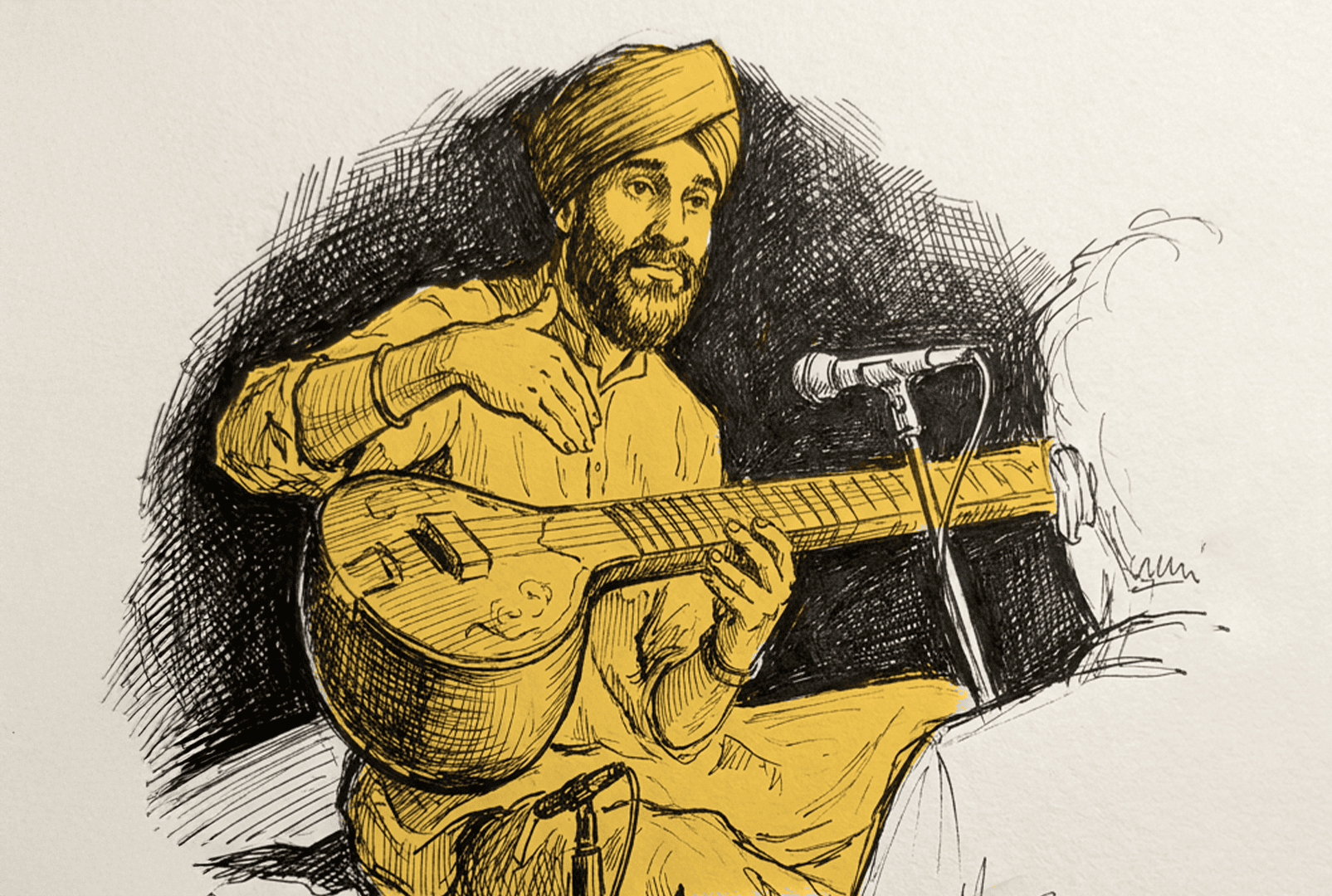
You don’t need to know anything about ragas or talas to enjoy a performance. Let the music build slowly — most pieces start meditative and unhurried before gathering pace and energy. Follow the rhythm with your body if it helps. There’s no wrong way to experience it.
However, if you want to dive deeper and experience with a learned ear, you can attend our Indian music appreciation course happening just a weekend before the festival!
Concerts that we feel you will love!
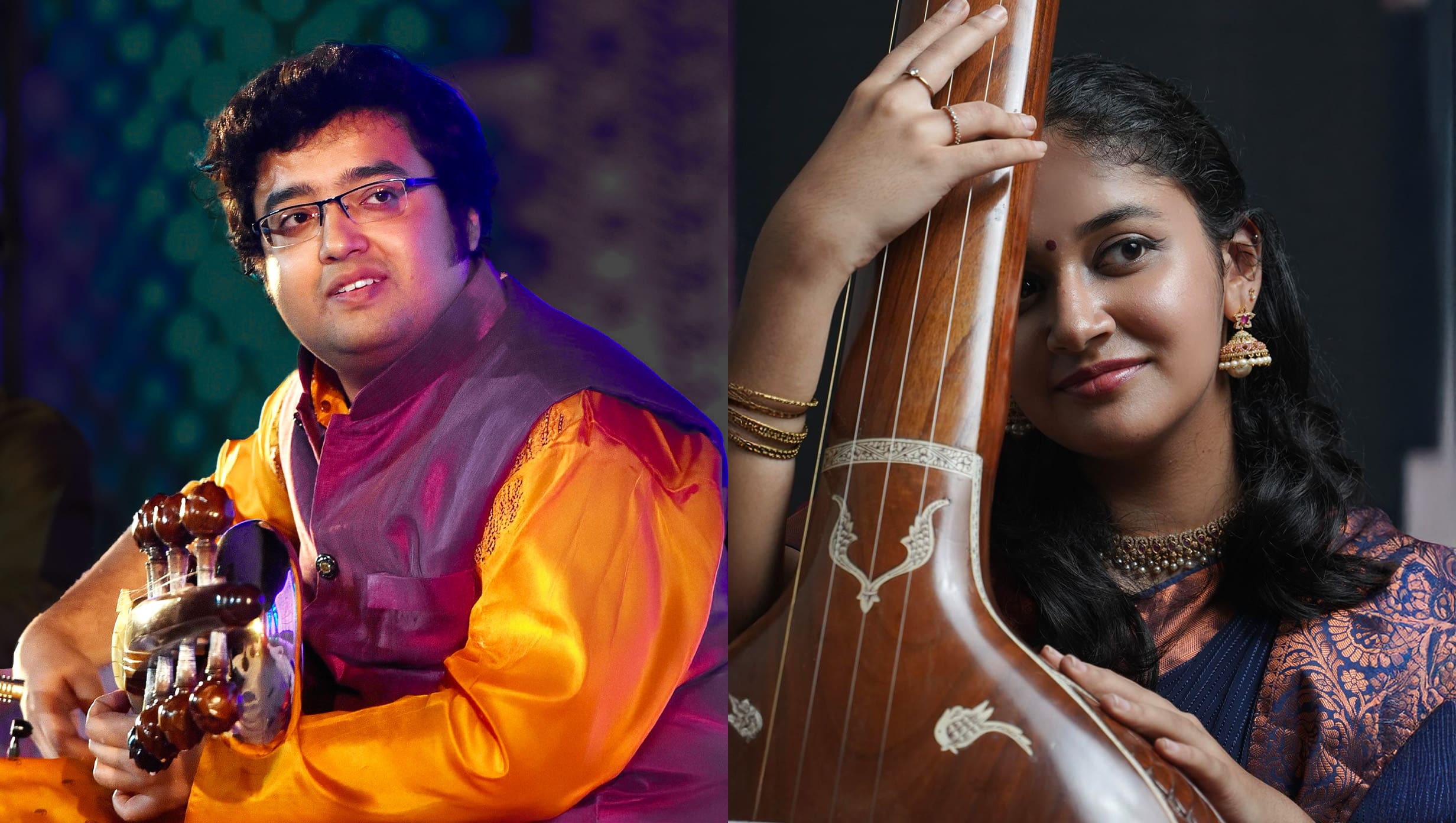
Some light instrumentals to help you get started with our festival



Yoga and Wellbeing Events:
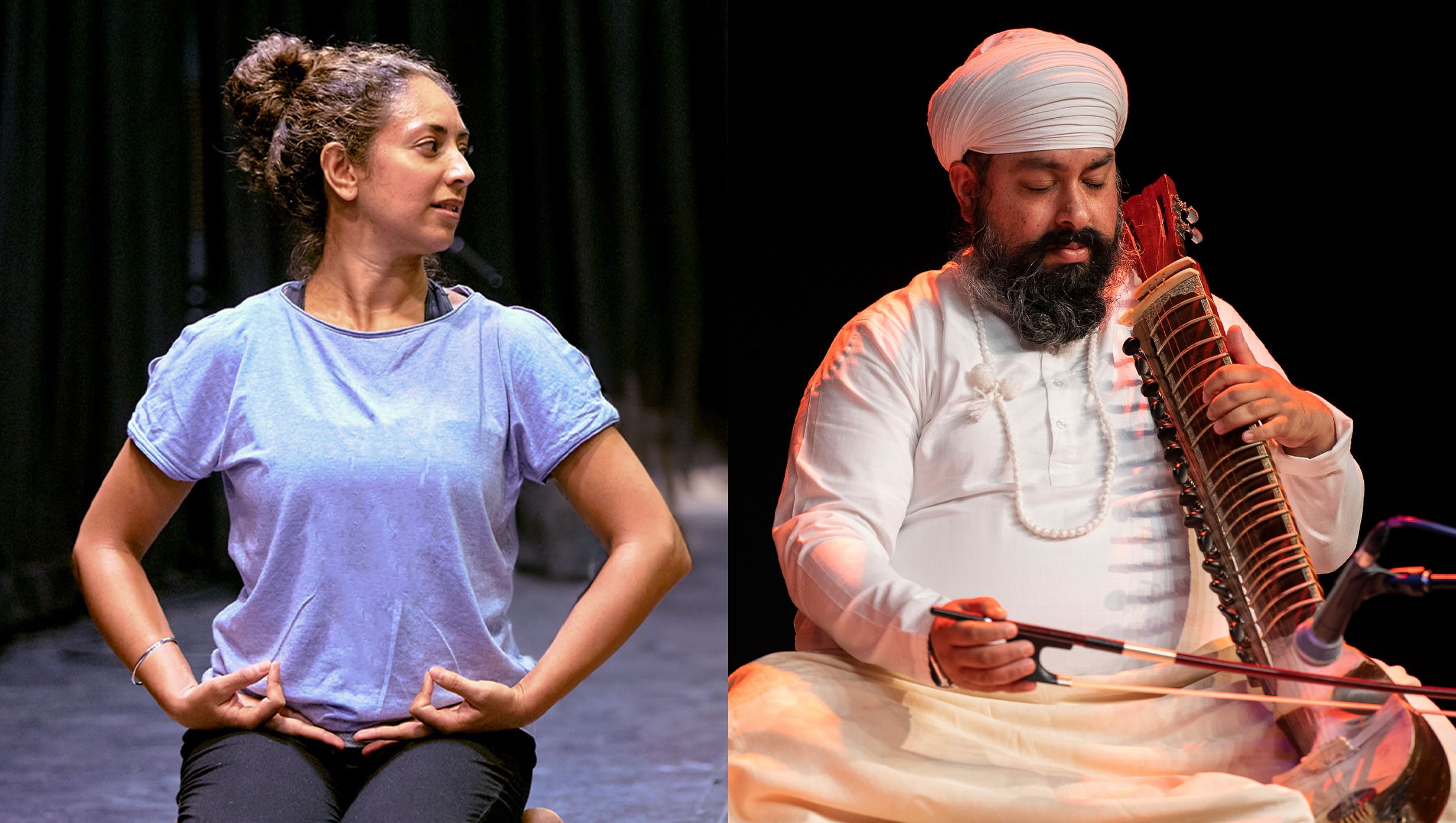
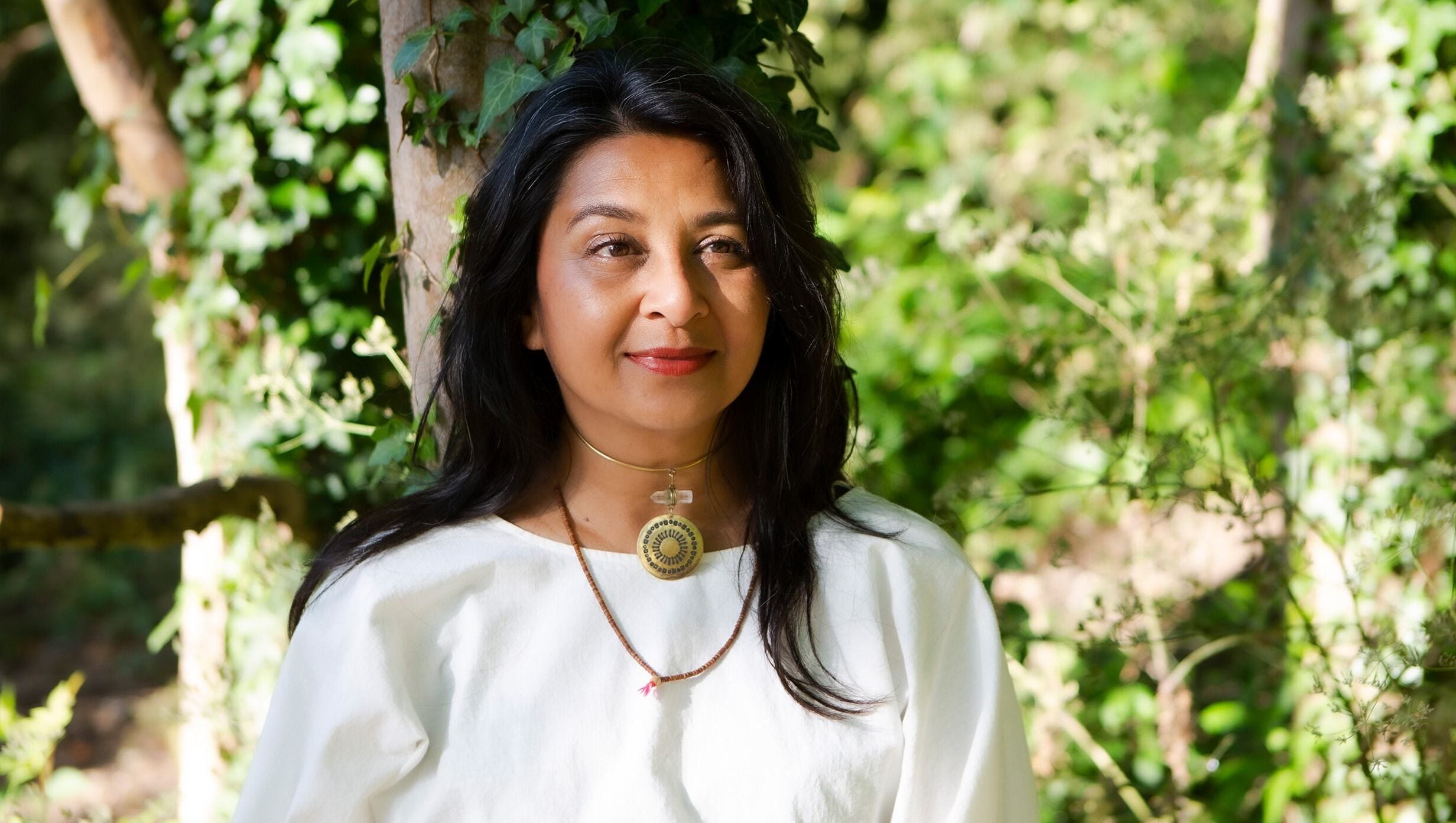
Participate in activities like Yogabliss Hatha yoga, Aurabreath breathwork, and Guided Meditations. These activities are thoughtfully integrated into the festival programme and reflect a holistic approach to wellness, positioning music as a powerful tool for mindfulness and spiritual nourishment.
Wellbeing events to explore at the Festival


Workshops & Talks
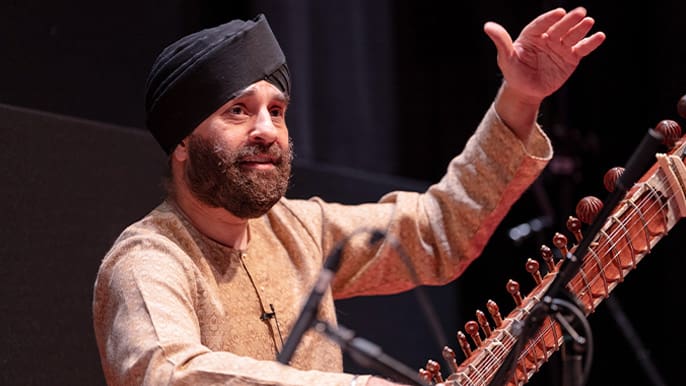
In addition to its concerts, the Darbar Festival also hosts talks and lecture-demonstrations led by prominent musicians who explore their specialised projects and musical traditions. These sessions are designed to foster open dialogue between artists and audiences, encouraging deeper engagement with the theological, philosophical, and cultural dimensions of Indian classical music. They offer rare insights into the artists’ creative processes and the rich heritage that shapes their work.
Workshops and Talks for first timers


Pop up Market and Free Family Events
During the main weekend, Darbar Festival transforms the Barbican Centre into a vibrant cultural hub with free, family-friendly events and a lively pop-up market. Enjoy intimate performances by emerging UK-based Indian classical artists in the foyers—perfect for casual drop-ins and new listeners.
Explore the curated market featuring handcrafted jewellery, ethical cosmetics, healing crystals, traditional instruments, arts, crafts, and fashion by UK-based South Asian designers. It’s more than shopping—it’s an immersive celebration of creativity, culture, and heritage
Further Articles to read


Live Indian classical music is a transcendent and transformative experience like no other. And while Darbar has made a repository of high-quality content available online—with over 400 videos uploaded on our YouTube…

There is hardly a culture in the world that does not recognise the healing power of music. In biblical times, it is said that David played the harp to rid King Saul…

Could Rasa and Bhava be the bedrock of modern-day Psychology? And how does music lead to religious enlightenment? It’s often said that the Indian artistic ethos is not fragmented or neatly…

Individual expression is highly valued in an artist, and this is no different within the context of Indian classical music. But whilst being allowed to develop a personal style, the Indian music…

The conventions of concert etiquette for Western classical music are a little daunting. Don’t breathe heavily. Don’t sneeze or cough. Don’t clap. Don’t talk and don’t fidget! It wasn’t always this way….

Devotional music has played a profound role in the history of Indian classical music, deeply intertwined with spiritual and religious traditions. Rooted in the sacred texts and practices of Hinduism, Sikhism, and…